Humanitarian Programme Manager, now available as an online training course
A 350-hour distance learning programme designed to help you break into the aid sector or step up into leadership roles. Learn while you work with a flexible, part-time format that fits around your professional commitments.
New Executive Programme with emlyon business school · Scholarships available
Build the strategic capabilities to lead people, programmes and organisational change in complex humanitarian environments, without stepping away from the field.
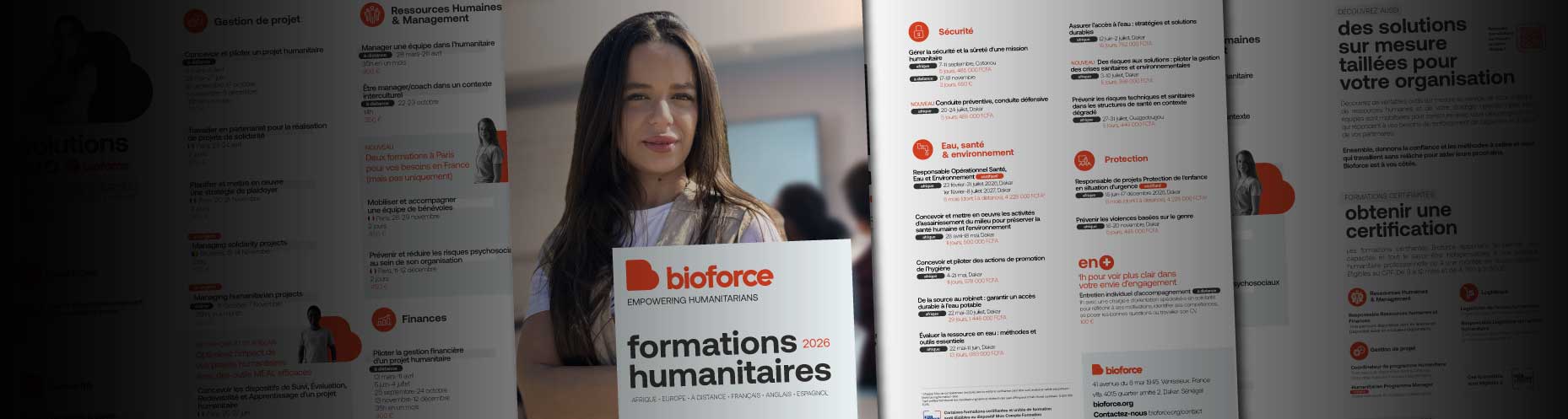
Our 2026 humanitarian open training courses at a glance
Find the humanitarian training course that's right for you! The Bioforce team is delighted to present its 2025 training offer: more than 130 sessions, in 11 countries and by distance learning!
With all of our interventions, we are creating a sustainable and recognized capacity to respond to humanitarian crises. This is our contribution to ever more relevant humanitarian action.
Building the capacity of organisations working in crisis zones
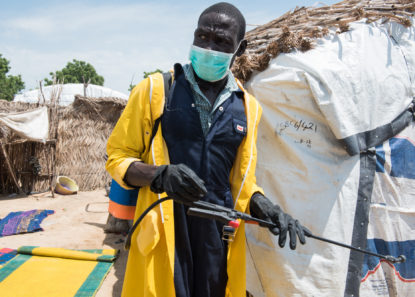
In Nigeria, one of the pilot countries for localisation, Bioforce conducted a needs assessment on partnerships strengthening between international and Nigerian NGOs.
Building the capacity of organisations working in crisis zones
The Middle East is contending with humanitarian needs on a huge scale due to deep-seated conflict, chronic shortages of water, the impact of climate change, etc. Bioforce has been working in Jordan, the nerve centre of humanitarian operations in this region, to create, develop and build the capacity of all the humanitarian stakeholders here so they can address the populations’ needs. Discover how.
Building the capacity of organisations working in crisis zones
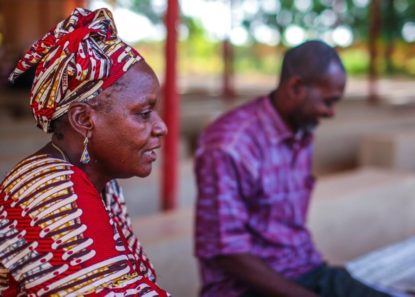
In the Central African Republic, Biofroce operates on several fronts: with civil society organisations working with vulnerable communities, with national public institutions, but also with staff posted from international organisations.
Building the capacity of organisations working in crisis zones
In association with the Ministry of Health, an international agency and NGOs, Bioforce has been working in the country for many years helping to strengthen the public health system.
Building the capacity of organisations working in crisis zones
In over two years spent working in the Democratic Republic of Congo, Bioforce was able to develop a major part of its strategy to build the capacity of local organisations and institutions.
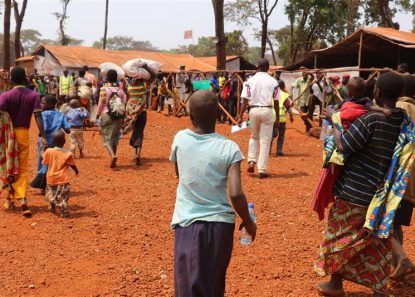
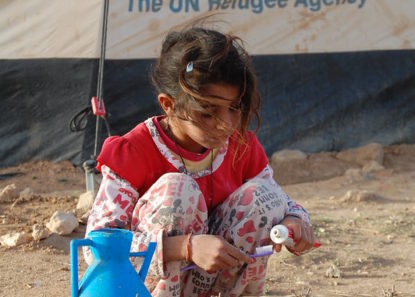
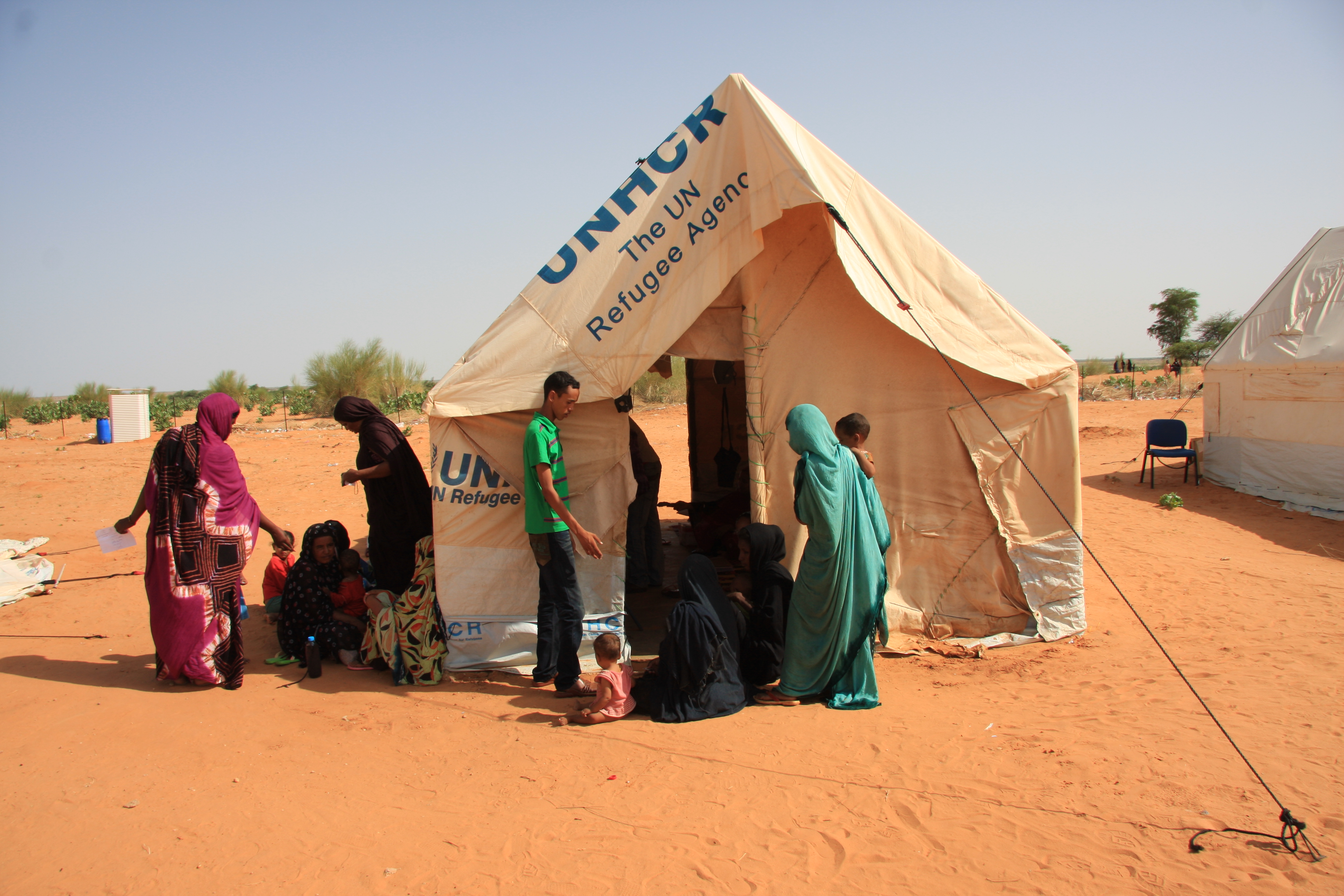
The war in Sudan has caused one of the largest population movements in recent years. More than one million Sudanese refugees have fled the fighting to take refuge in Chad, mainly in the east of the country. This massive influx is putting considerable pressure on local resources and reception capacities.
Our intervention strategies
Training
mission projects
In Chad, Sudanese refugees trained to take an active role in crisis response
In Chad, Sudanese refugees trained to take an active role in crisis response
With the crisis affecting thousands of Sudanese refugees in Chad, it is more important than ever to strengthen their capacity to act.
context
The war in Sudan has caused one of the largest population movements in recent years. Since 2023, more than one million Sudanese refugees have fled the fighting to take refuge in Chad, mainly in the east of the country. This massive influx is putting considerable pressure on local resources and reception capacities.
The Project
As in all crisis situations, the response cannot be limited to emergency aid. It is therefore crucial to provide refugees with the means to develop their skills, become involved in crisis management and access professional opportunities in the aid sector. With this in mind, Bioforce, at the request of the United Nations High Commissioner for Refugees (UNHCR), is rolling out two specialised training courses to build the capacity of local refugees. From May 2025, 44 Sudanese refugees will be trained as Humanitarian Programme Managers and Child Protection in Emergencies Project Managers.
As we did with refugees and IDPs in Niger from 2022 to 2024, we want to show that by equipping them with the right tools, refugees can be transformed from aid recipients into skilled humanitarian workers, improving the quality of humanitarian action and contributing to aid localisation efforts. Whereas in our previous project, refugees and IDPs were trained at our regional training centre in Dakar, this time Bioforce's teaching teams will go directly to Abéché, to the premises of the Institut National Supérieur des Sciences et Techniques (INSSTA). The trainees, who have been pre-selected by the UNHCR and Bioforce, are already involved in local refugee-based initiatives. Thanks to this training, they will benefit from improved skills and Bioforce certification, enabling them to work more effectively in the relief sector.
One of the project's main assets is the provision of educational content in offline mode, an essential solution in areas where internet connectivity is limited. To achieve this, Bioforce is working with Bibliothèques Sans Frontières and its Kajou tool, which guarantees learners continuous access to resources even in situations of digital insecurity.
The UNHCR's global education strategy emphasises the importance of enabling refugees to use their education/training to build a sustainable future.
Objectives
• Building the capacity of Sudanese refugees and IDPs to become actors in the crisis response.
Beneficiaries
• 44 refugees and internally displaced persons
Results
• Refugees and IDPs have access to a range of certified humanitarian training courses in English.
Project budget and duration
Budget
415.920 €
Duration
6 months
Project location
Abéché, Chad
operational partners
United Nations High Commissioner for Refugees (UNHCR)